Understanding Natural Supplements for Men
An educational resource exploring how natural nutrients and vitamins integrate into a balanced daily lifestyle.
Educational content only. No promises of outcomes.
Learn more
Introduction to Natural Supplements
Natural supplements have become a topic of interest for many individuals seeking to understand how nutrients contribute to daily wellness. This educational hub aims to provide information about various vitamins, minerals, and natural compounds that can be part of a balanced lifestyle.
Men's nutritional needs can vary based on age, activity level, and individual circumstances. Understanding the role of different nutrients helps in making informed decisions about daily nutrition. This resource explores common supplements and their general characteristics from an educational perspective.
The information provided here is for educational purposes only and does not constitute medical advice. Every individual's situation is unique, and what works for one person may not be suitable for another. We encourage readers to research thoroughly and consult with qualified professionals regarding their specific needs.
Vitamins Overview
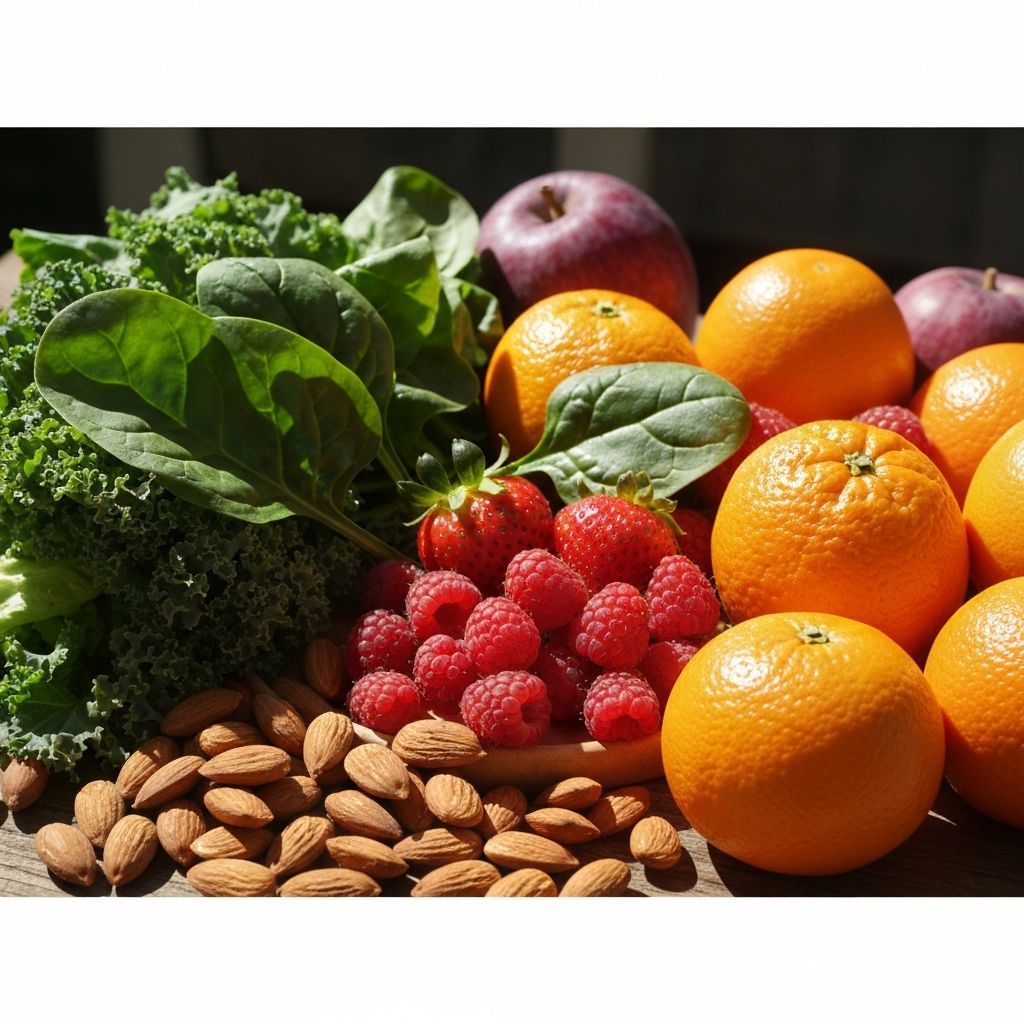
Essential Vitamins in Daily Nutrition
Vitamins are organic compounds that play various roles in maintaining bodily functions. They are typically categorized as either water-soluble or fat-soluble, each with distinct characteristics in how they are absorbed and utilized by the body.
Common vitamins include Vitamin A, B-complex vitamins, Vitamin C, Vitamin D, Vitamin E, and Vitamin K. Each vitamin has different sources and is associated with different aspects of health maintenance. For example, Vitamin D is often discussed in relation to sunlight exposure and certain food sources like fatty fish.
Many vitamins can be obtained through a varied diet that includes fruits, vegetables, whole grains, nuts, and seeds. The bioavailability of vitamins can differ depending on the source and how foods are prepared. Understanding these factors helps in planning balanced meals.
Some individuals may have dietary patterns that limit their intake of certain vitamins. In such cases, educational resources can help people learn about alternative food sources or understand the general characteristics of supplementation options available in the market.
Daily Nutrient Considerations
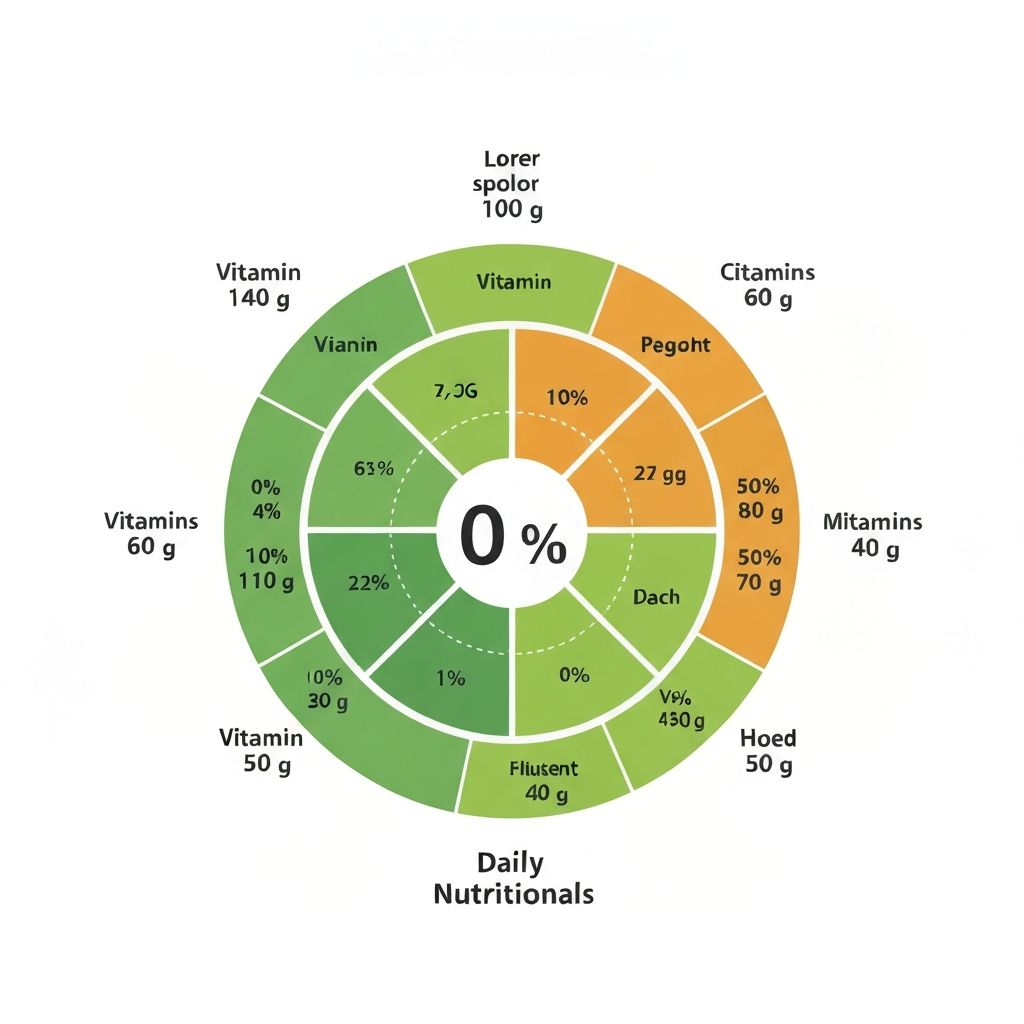
Understanding Nutritional Balance
Nutritional balance involves consuming a variety of nutrients in appropriate amounts to support overall health. This includes macronutrients like proteins, carbohydrates, and fats, as well as micronutrients such as vitamins and minerals.
Different life stages and activity levels may influence nutritional needs. For instance, individuals who engage in regular physical activity may have different nutritional considerations compared to those with sedentary lifestyles. Age also plays a role in how the body processes and utilizes nutrients.
Reference dietary intakes provide general guidelines for various nutrients, though individual needs can vary significantly. These guidelines are based on population-level data and serve as starting points for understanding nutritional requirements.
Keeping a food diary or using nutritional tracking tools can help individuals become more aware of their eating patterns. This awareness is educational in nature and helps people understand the composition of their diet over time.
Integrating Nutrients into Balanced Meals
Meal Planning Perspectives
Meal planning involves considering various factors such as nutritional content, personal preferences, time constraints, and budget. A balanced approach typically includes diverse food groups to ensure a wide range of nutrients.
Breakfast might include whole grains, protein sources, and fruits. Lunch and dinner can incorporate vegetables, lean proteins, healthy fats, and complex carbohydrates. Snacks can provide opportunities to include nuts, seeds, or additional fruits and vegetables.
The concept of nutrient density refers to the amount of beneficial nutrients relative to the caloric content of food. Foods that are nutrient-dense provide more vitamins, minerals, and other beneficial compounds per calorie consumed.
Meal timing and frequency are also topics of interest in nutritional discussions. While some people prefer three main meals, others may opt for smaller, more frequent meals throughout the day. Different patterns can work for different individuals based on their schedules and preferences.
Seasonal Nutrients
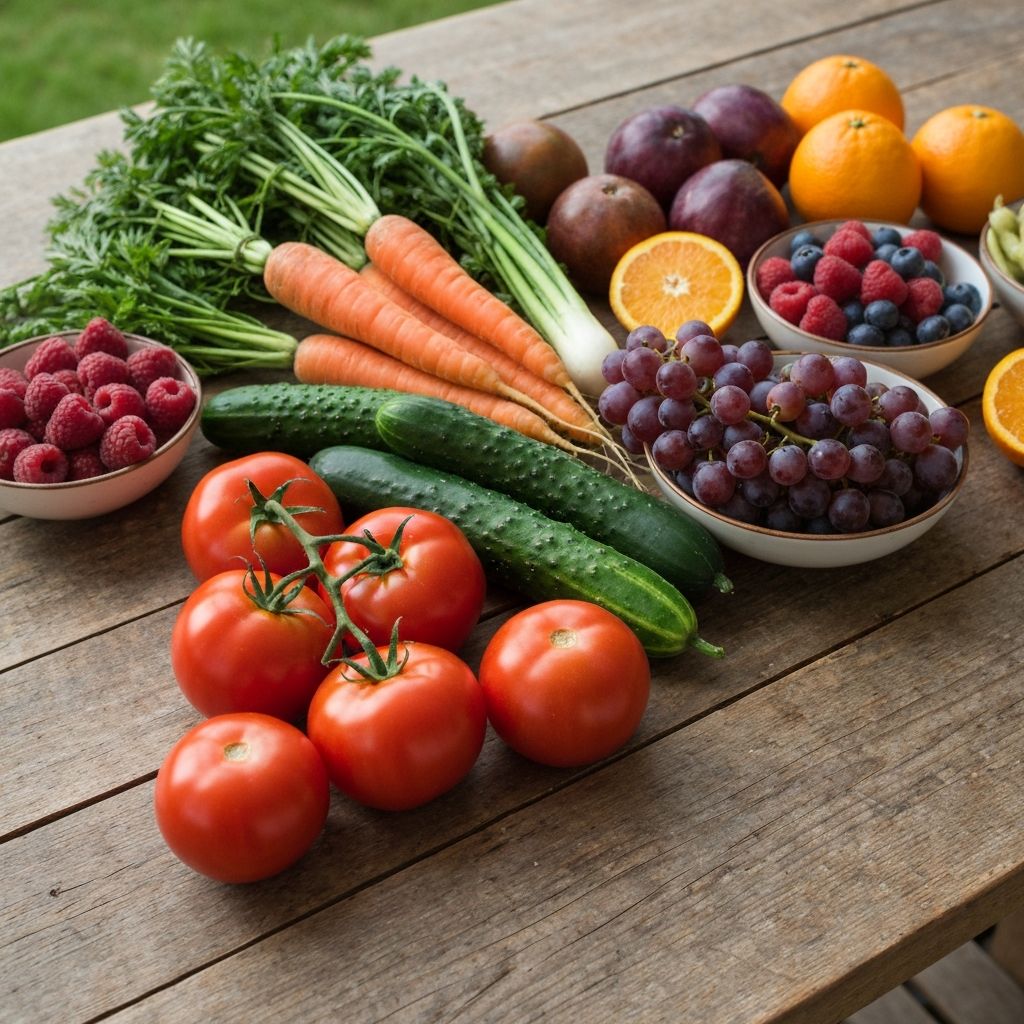
Understanding Seasonal Availability
Seasonal eating involves consuming foods that are naturally harvested during specific times of the year. This practice is often discussed in relation to food freshness, flavor, and sometimes nutritional content.
In spring, fresh greens, asparagus, and berries begin to appear. Summer brings an abundance of fruits like melons, stone fruits, and various vegetables. Autumn is associated with root vegetables, squashes, and apples, while winter months may feature citrus fruits and hardy greens.
Eating seasonally can also connect people with local food systems and agricultural cycles. Farmers markets and community-supported agriculture programs often emphasize seasonal produce, providing educational opportunities about food origins.
While seasonal eating is one approach to food selection, modern storage and transportation methods make many foods available year-round. Both approaches have their own considerations, and individuals can choose based on their values and circumstances.
Lifestyle Habits for Daily Energy

Daily Routines and Wellness
Daily energy levels can be influenced by various lifestyle factors including sleep patterns, physical activity, stress management, and nutrition. Understanding these interconnections is part of a holistic approach to wellness education.
Regular physical activity is widely discussed in health literature. Activities can range from structured exercise programs to daily movement like walking, cycling, or recreational sports. The type and intensity of activity can vary based on individual preferences and capabilities.
Sleep quality and duration are fundamental aspects of daily recovery and energy regulation. Sleep patterns can affect various aspects of health, and establishing consistent sleep routines is often emphasized in wellness discussions.
Stress management techniques such as mindfulness, meditation, or engaging in hobbies can contribute to overall well-being. These practices are personal and what works for one individual may differ for another.
Hydration is another basic element of daily wellness. Water needs can vary based on climate, activity level, and individual factors. Being mindful of fluid intake throughout the day is a simple aspect of self-care.
Scientific Insights into Nutrients
Research and Understanding
Nutritional science is an evolving field with ongoing research into how various nutrients interact with human physiology. Studies examine topics such as nutrient absorption, metabolism, and the role of different compounds in bodily functions.
Antioxidants are compounds found in many fruits and vegetables that have been the subject of extensive research. These include vitamins like C and E, as well as phytochemicals found in colorful plant foods.
Omega-3 fatty acids, found in fish, flaxseeds, and walnuts, have been widely studied in nutritional research. These essential fats are a common topic in discussions about dietary fats and their various roles in the body.
Mineral nutrients such as magnesium, zinc, and selenium are also subjects of scientific interest. These minerals are involved in numerous biochemical processes and are found in various food sources including nuts, seeds, whole grains, and vegetables.
It is important to note that nutritional research is complex, and findings can sometimes be preliminary or subject to interpretation. Critical thinking and understanding the limitations of individual studies are important aspects of nutritional literacy.
Practical Meal Ideas

Examples of Balanced Meals
Creating balanced meals can be approached in many ways. Here are some general examples for educational purposes, understanding that individual needs and preferences will vary.
A breakfast option might include oatmeal topped with berries, nuts, and a drizzle of honey, paired with a side of Greek yogurt. This combination provides complex carbohydrates, protein, healthy fats, and various micronutrients.
For lunch, a large salad with mixed greens, grilled chicken, chickpeas, avocado, cherry tomatoes, and olive oil dressing offers a variety of nutrients. Whole grain bread on the side adds additional fiber and B vitamins.
A dinner example could feature baked salmon, roasted sweet potatoes, and steamed broccoli. This meal provides omega-3 fatty acids, beta-carotene, vitamin C, and various minerals.
Snack ideas include fresh fruit with nut butter, vegetable sticks with hummus, or a handful of mixed nuts and dried fruit. These options provide energy and nutrients between main meals.
Meal preparation techniques such as batch cooking, using a slow cooker, or planning weekly menus can help make nutritious eating more convenient. These are practical strategies that many people find helpful in maintaining consistent eating patterns.
Resources and Continued Learning

Expanding Your Knowledge
Learning about nutrition and wellness is an ongoing process. There are many reputable sources of information available for those interested in deepening their understanding of these topics.
Academic institutions, government health departments, and established nutritional organizations often provide educational materials. These resources are typically evidence-based and reviewed by professionals in the field.
Books written by registered dietitians, nutritionists, and researchers can offer comprehensive overviews of nutritional topics. When selecting reading materials, it is helpful to consider the author's credentials and the evidence basis of their recommendations.
Online courses and webinars on nutrition and health topics are increasingly available. These can range from introductory overviews to more specialized subjects, allowing individuals to learn at their own pace.
Community workshops, cooking classes, and wellness seminars can provide hands-on learning experiences. These interactive formats allow for questions and discussions with instructors and other participants.
Important Context
All content on this website is for educational and informational purposes only.
This resource does not provide personalized advice or recommendations for individual situations.
Nutritional needs and approaches vary widely among individuals based on numerous factors.
We encourage readers to conduct their own research and seek guidance from qualified professionals for their specific circumstances.